Introduction
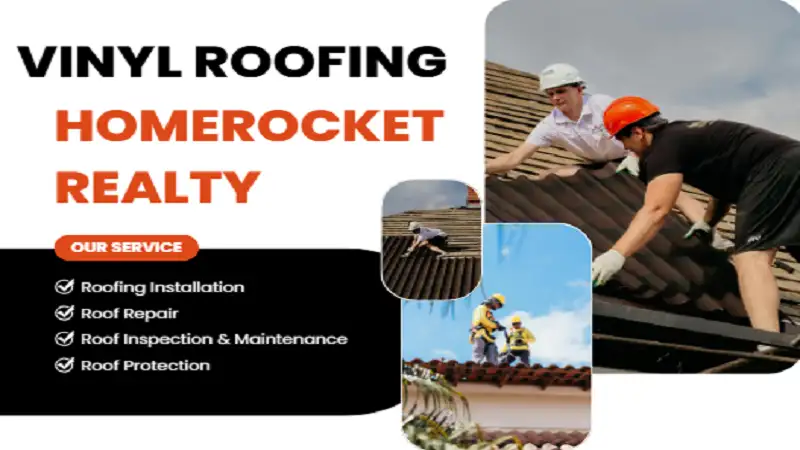
Choosing the right roofing material is an important decision for every homeowner. A roof protects a property from rain, sunlight, wind, and changing weather conditions. It also contributes to energy efficiency, structural protection, and the overall appearance of a home. With different roofing materials available, understanding their features and maintenance requirements can help homeowners make better decisions. The keyword vinyl roofing homerocketrealty brings together the topic of vinyl roofing and real estate-related information. Homeowners researching this subject may want to understand roofing materials, installation considerations, maintenance practices, and how roofing choices can influence property value.
Vinyl roofing can refer to different products, including vinyl-based roofing membranes and vinyl roofing materials used in certain residential applications. It is important to understand the specific product before comparing costs or planning an installation. This guide explains the practical considerations involved in selecting, installing, and maintaining vinyl roofing while helping homeowners make informed property improvement decisions.
Understanding Vinyl Roofing HomeRocketRealty
Vinyl roofing generally refers to roofing products made using polyvinyl chloride (PVC) or other vinyl-based materials. PVC roofing membranes are commonly used on flat and low-slope roofs, particularly on commercial buildings and some residential properties.
These membranes are designed to provide a protective layer against water penetration. Depending on the product, they may offer resistance to ultraviolet exposure, chemicals, and certain environmental conditions.
When researching vinyl roofing homerocketrealty, homeowners should first identify the type of roofing product being discussed. Not every vinyl-based roofing product is suitable for every roof design.
For example, a PVC membrane designed for a low-slope roof is different from vinyl siding installed on exterior walls. Understanding this distinction helps prevent confusion when comparing roofing solutions.
Benefits of Vinyl Roofing for Residential Properties
Vinyl roofing products offer several advantages when selected for the right building and installed correctly.
1. Water Resistance
One of the main advantages of PVC roofing membranes is their ability to create a water-resistant roof covering. Properly installed seams and flashing help reduce the risk of water entering the building.
This makes vinyl membranes worth considering for flat and low-slope roofs, where water drainage requires particular attention.
2. Durability and Weather Protection
Quality PVC roofing products are designed to withstand different environmental conditions. Many products offer resistance to sunlight, moisture, and certain chemicals.
However, actual performance depends on product quality, installation methods, maintenance, and local weather conditions.
3. Energy Efficiency
Some vinyl roofing membranes have light-colored or reflective surfaces that can reflect sunlight and reduce heat absorption.
This may help lower cooling requirements in certain buildings, particularly in warmer climates. Homeowners should compare the reflective properties and energy ratings of individual products before purchasing.
4. Relatively Low Maintenance
Vinyl roofing membranes generally require less maintenance than some traditional roofing systems. Nevertheless, regular inspections remain important.
Checking seams, drainage outlets, flashing, and roof penetrations can help identify minor problems before they develop into expensive repairs.
How to Choose the Right Vinyl Roofing Material
Selecting suitable roofing materials requires more than comparing prices. Homeowners should consider the building structure, roof design, climate, and expected lifespan.
Here are some practical steps to follow.
Step 1: Examine Your Roof Design
Start by identifying whether your roof is flat, low-slope, or steep-slope. PVC roofing membranes are particularly common on flat and low-slope roofs.
Not every vinyl roofing product is suitable for steep residential roofs, so check the manufacturer’s recommendations.
Step 2: Compare Product Quality
Research different manufacturers and compare their product specifications. Consider thickness, reinforcement, weather resistance, warranty coverage, and installation requirements.
Do not select a product based only on its advertised lifespan.
Step 3: Consider Your Local Climate
Weather conditions can influence roofing performance. Properties exposed to intense sunlight, heavy rainfall, strong winds, or freezing temperatures may require specific product characteristics.
Ask a qualified roofing professional which materials are appropriate for your location.
Step 4: Establish Your Budget
Calculate the complete project cost, including materials, labor, roof preparation, insulation, drainage improvements, and disposal of old materials.
Request written estimates from multiple contractors to understand the available options.
Understanding the Vinyl Roofing Installation Process
Professional installation is essential for achieving reliable roofing performance. Poor workmanship can lead to leaks, damaged seams, and premature material failure.
A typical PVC membrane installation involves several stages.
Roof Inspection and Preparation
The contractor first examines the existing roof structure and checks for damage, moisture, and drainage problems.
Any unsuitable existing materials may need to be removed. The roof surface must be properly prepared before installing the new membrane.
Installing the Roofing System
Depending on the selected system, PVC roofing membranes may be mechanically attached, fully adhered, or installed using an approved alternative method.
The installation method depends on the roof structure, manufacturer instructions, and building requirements.
Sealing the Seams
One important feature of PVC roofing is the use of heat-welded seams. Specialized equipment joins overlapping membrane sections to create a continuous waterproof surface.
Correct temperature settings, welding techniques, and quality checks are essential.
Final Inspection
After installation, the contractor should inspect seams, flashing, drainage points, and roof penetrations.
Homeowners should request installation documentation and warranty information for future reference.
Practical Vinyl Roofing Maintenance Tips
Regular maintenance can help extend the useful life of a roofing system and reduce the likelihood of unexpected repairs.
Consider following these practices:
-
Inspect the roof regularly: Arrange professional inspections at least annually and after significant storms.
-
Keep drainage systems clear: Remove leaves and debris from drains and gutters where safe to do so.
-
Check flashing: Examine areas around vents, skylights, and other roof penetrations.
-
Look for visible damage: Watch for punctures, loose edges, unusual water accumulation, or damaged seams.
-
Avoid unnecessary foot traffic: Walking on roofing membranes without appropriate precautions can cause damage.
-
Keep maintenance records: Record inspection dates, repairs, and contractor recommendations.
Never attempt dangerous roof inspections without suitable training and safety equipment. A qualified professional should handle repairs that require access to the roof surface.
Vinyl Roofing and Property Value
Roofing condition can influence how potential buyers evaluate a property. A well-maintained roof may improve buyer confidence because it suggests that an important part of the building has received proper attention.
For homeowners considering selling, roofing improvements can also help reduce concerns during property inspections.
However, installing vinyl roofing does not automatically increase property value. The financial impact depends on several factors, including:
-
The property’s location and local housing market.
-
The condition of the existing roof.
-
The quality of the installation.
-
The roofing material’s suitability for the building.
-
Maintenance records and available warranties.
-
Buyer preferences in the local market.
Homeowners should consider both immediate installation costs and long-term maintenance requirements when making roofing decisions.
Common Mistakes to Avoid When Choosing Vinyl Roofing
Making an informed roofing decision requires careful planning. Avoid these common mistakes:
Choosing the cheapest contractor: Low prices may sometimes indicate limited experience or incomplete project estimates. Compare qualifications, references, insurance, and written proposals.
Ignoring drainage requirements: Even a waterproof membrane cannot solve every drainage problem. Roof slopes, outlets, and water-flow arrangements must be appropriate.
Overlooking product compatibility: Roofing materials and installation accessories should be compatible with the selected roofing system.
Ignoring warranties: Understand what the manufacturer and contractor warranties cover, including exclusions and maintenance conditions.
Delaying necessary repairs: Small punctures or damaged seams can become more serious if ignored.
Taking time to evaluate these factors can prevent unnecessary expenses and improve the overall roofing project.
How to Find a Reliable Vinyl Roofing Contractor
Choosing an experienced contractor is just as important as choosing the roofing material.
Before hiring anyone, ask the following questions:
-
How much experience do you have installing PVC roofing membranes?
-
Can you provide references from previous projects?
-
Are you properly insured and qualified?
-
Which manufacturer and roofing system do you recommend?
-
What preparation work is included in the estimate?
-
Does the project include a final inspection?
-
What warranties will be provided?
Request a detailed written quotation that explains material specifications, labor charges, project timelines, and additional costs.
You can also research vinyl roofing homerocketrealty to explore related roofing and property information. Verify the website’s actual services and published information before relying on it for contractor recommendations or product claims.
Conclusion
Vinyl roofing can be a practical option for certain residential and commercial properties, particularly when PVC roofing membranes are used on suitable flat and low-slope roofs. Their water resistance, reflective options, and relatively straightforward maintenance make them worth considering.
However, successful roofing projects depend on selecting the right material, understanding local weather conditions, hiring qualified contractors, and following appropriate maintenance practices.
The keyword vinyl roofing homerocketrealty highlights an opportunity to explore how roofing solutions can improve a property. By researching products carefully, comparing professional estimates, and understanding installation requirements, homeowners can make better decisions about protecting their properties.
Ultimately, a good roofing investment isn’t just about choosing a material. It is about finding a suitable system that provides reliable protection, meets the building’s requirements, and offers long-term value.