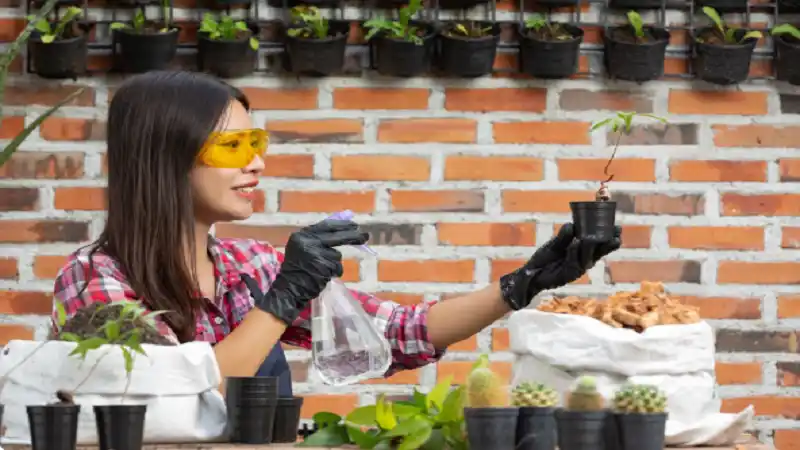
A well-decorated yard can transform an ordinary outdoor space into a comfortable place for relaxing, entertaining guests, gardening, or enjoying time with family. You do not need an expensive renovation to make your yard more attractive. With thoughtful planning, suitable furniture, plants, lighting, and decorative features, even a small yard can feel welcoming and organized. We will explore more details about”Tips Decoradyard” in this article.
These tips decoradyard ideas focus on practical improvements that homeowners can complete gradually. The best approach is to consider your available space, climate, maintenance needs, and personal style before purchasing decorations.
Start by Planning Your Yard
Before buying outdoor furniture or decorations, take a close look at your yard. Measure the available space and identify areas that receive full sunlight, partial shade, or little sunlight. Also consider drainage, existing plants, walkways, fences, and outdoor electrical outlets.
Make a simple plan showing where you want seating, plants, lighting, and decorative features. Planning first helps prevent overcrowding and allows you to spend your budget on items that genuinely improve the space.
Think about how you use the yard. If you frequently host guests, prioritize seating and an outdoor dining area. If you prefer gardening, leave enough room for flower beds, containers, or raised planters.
Choose a Simple Decoration Theme
A consistent style can make your yard look more polished. You might prefer a natural garden appearance, a modern minimalist design, a rustic atmosphere, or a colorful family-friendly space.
Choose two or three main materials or colors and repeat them throughout the yard. For example, wooden furniture can work well with natural planters and neutral outdoor fabrics. A modern yard might use simple furniture, geometric planters, and subtle lighting.
Avoid adding too many unrelated decorative objects. A smaller number of carefully selected pieces often creates a cleaner and more attractive result.
Add Comfortable Outdoor Seating
Comfortable seating is one of the most useful yard improvements. Depending on your space, consider a small bench, outdoor chairs, a loveseat, or a compact dining set.
Choose furniture designed for outdoor conditions. Materials such as treated wood, metal with suitable protective finishes, and weather-resistant synthetic materials can be practical choices. Outdoor cushions should ideally be made from fabrics designed to resist moisture and fading.
Arrange seating to encourage conversation rather than simply placing chairs around the edges. Leave enough space for people to walk comfortably between furniture pieces.
Use Plants to Add Natural Beauty
Plants can make a yard feel more vibrant and relaxing. Select plants according to your local climate, soil conditions, available sunlight, and maintenance preferences.
Use a combination of different heights to create visual interest. Ground-level plants can be combined with medium-sized shrubs and taller plants or small trees where space allows.
Container gardening is particularly useful for patios and small yards. Pots can be moved when necessary and allow you to introduce flowers, herbs, or ornamental plants without creating permanent garden beds.
Native and climate-appropriate plants are often worth considering because they may be better adapted to local growing conditions and can require less maintenance once established.
Improve the Yard With Outdoor Lighting
Outdoor lighting can improve both appearance and usability after sunset. You can use pathway lights along walking areas, string lights around a seating zone, or accent lights to highlight plants and architectural features.
Solar-powered lights can be convenient in areas where installing electrical wiring is difficult. For wired systems, follow the manufacturer’s installation instructions and use products specifically rated for outdoor conditions.
Avoid making the entire yard extremely bright. A combination of soft general lighting and focused accent lighting usually creates a more comfortable atmosphere.
Create a Focal Point
A focal point gives the eye somewhere to rest and can make the overall design feel intentional. Depending on your budget and yard size, a focal point could be a decorative planter, water feature, fire pit, sculpture, pergola, or attractive seating area.
The focal point should suit the size of the yard. A large structure may overwhelm a small space, while a tiny decoration may disappear in a large garden.
Place the focal point where it can be seen naturally from important areas such as the patio, house, or main walkway.
Add Privacy in Practical Ways
Privacy can make an outdoor area more comfortable, particularly when neighboring properties are close together. Fences, trellises, pergolas, outdoor screens, and strategically planted shrubs can all provide varying degrees of privacy.
Plants can create a softer appearance than solid barriers. However, consider their mature size before planting them near property boundaries, buildings, or utility lines.
If you use a fence or screen, make sure it complies with applicable local requirements and property rules.
Use Decorative Containers
Planters are among the easiest ways to update a yard. Instead of using identical containers everywhere, choose a small collection of complementary shapes and sizes.
Place larger planters near entrances or corners and smaller containers around seating areas. You can also use containers to define different zones.
Always consider drainage. Containers without adequate drainage can cause water to collect around plant roots, potentially damaging many types of plants.
Define Different Outdoor Zones
If your yard is large enough, divide it into functional zones. For example, one section could be used for dining, another for gardening, and another for relaxing.
You can visually separate zones with outdoor rugs, planters, low borders, changes in paving, or furniture arrangement. This approach makes the yard easier to organize without necessarily constructing permanent walls.
For smaller yards, use multifunctional furniture and vertical gardening to maximize available space.
Consider Vertical Decoration
Vertical space is often overlooked. Walls, fences, and trellises can provide useful areas for climbing plants, hanging planters, outdoor artwork, or decorative lighting.
Vertical gardening is particularly valuable when ground space is limited. However, make sure hanging objects and structures are securely installed and suitable for outdoor weather.
Do not attach heavy items to a wall or fence unless the structure and mounting system can safely support them.
Choose Weather-Resistant Decorations
Outdoor decorations face sunlight, rain, wind, temperature changes, and dirt. Before purchasing an item, check whether it is intended for outdoor use.
Weather-resistant materials generally offer better durability, but no outdoor product is completely maintenance-free. Clean furniture and decorations regularly, inspect them for damage, and store vulnerable items during severe weather when appropriate.
This practical approach can extend the useful life of your outdoor investments.
Decoration Tips Decoradyard for a Small Budget
You do not have to replace everything at once. One of the most useful decoration tips decoradyard homeowners can follow is to improve the space gradually.
Start with high-impact, affordable changes such as:
- Cleaning and organizing the yard.
- Adding a few attractive planters.
- Repainting suitable outdoor furniture.
- Installing simple outdoor lighting.
- Adding weather-resistant cushions.
- Creating a small seating area.
- Using decorative stones or mulch around garden beds.
- Reusing suitable containers as planters.
Before buying new decorations, consider whether existing furniture or materials can be cleaned, repaired, refinished, or rearranged.
Keep Maintenance in Mind
A beautiful yard should also be practical to maintain. Consider how much time you realistically want to spend watering plants, trimming shrubs, cleaning furniture, and maintaining decorative features.
Choose plants and materials that match your available time and local conditions. A simple, well-maintained design often looks better than an elaborate yard that becomes difficult to manage.
Create a basic maintenance routine that includes watering, pruning, removing debris, cleaning outdoor furniture, checking lighting, and inspecting structures for damage.
Avoid Common Yard Decoration Mistakes
Some common mistakes can reduce the appearance and functionality of an outdoor space. Overcrowding is one of the most frequent problems. Too much furniture or too many decorations can make movement difficult.
Another mistake is ignoring scale. Large decorations may dominate a small yard, while tiny accessories can become visually insignificant in a large space.
It is also important not to sacrifice safety for appearance. Keep walkways clear, secure unstable decorations, use outdoor-rated electrical equipment, and place fire-related features away from flammable materials according to the manufacturer’s safety guidance.
Final Thoughts
Creating an attractive yard does not require a huge budget or a complete renovation. Start by understanding your space, choose a simple design direction, and focus on improvements that provide both beauty and practical value.
The most effective tips decoradyard approach is to work gradually. Begin with cleaning and planning, then add comfortable seating, suitable plants, lighting, privacy features, and a few carefully selected decorations. By considering durability, maintenance, safety, and local growing conditions, you can create an outdoor space that remains enjoyable for years.
Whether you have a spacious garden or a small patio, thoughtful planning and these decoration tips decoradyard can help turn your outdoor area into a more comfortable, functional, and welcoming part of your home. See more.