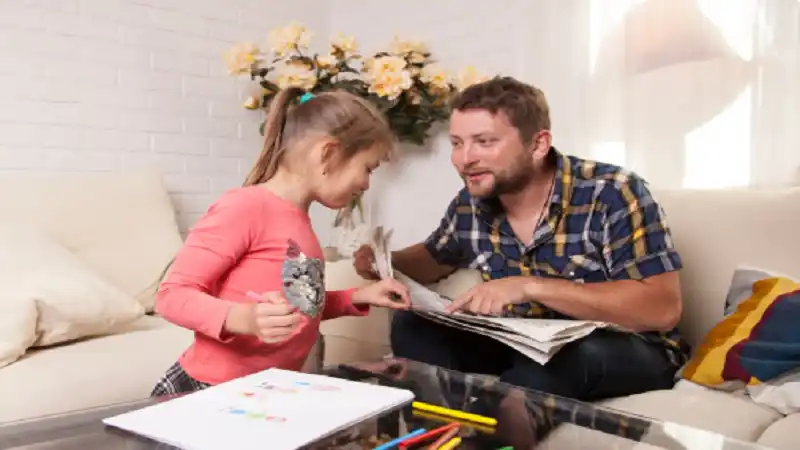
Modern motherhood can feel rewarding, exciting, and challenging at the same time. Mothers often manage many responsibilities, including caring for children, maintaining a home, supporting family members, and finding time for personal goals. With so many daily demands, it is easy to feel tired or unsure about whether you are doing enough. We will explore more details about”Fpmomlife Advice Tips by FamousParenting” in this article.
The good news is that motherhood does not require perfection. Small, consistent choices can make everyday family life easier and more enjoyable. The most useful parenting advice focuses on practical routines, emotional connection, healthy communication, and taking care of yourself along the way.
This guide shares fpmomlife advice tips by famousparenting to help mothers approach everyday parenting with greater confidence. The goal is not to create a perfect family routine but to provide simple ideas that can be adjusted to fit different families and lifestyles.
Create a Simple Daily Routine
Children often feel more comfortable when they know what to expect. A simple daily routine can provide structure without making family life feel overly strict.
A routine might include regular times for waking up, meals, school or learning activities, play, homework, relaxation, and bedtime. The exact schedule does not have to be the same every day. What matters is creating a general pattern that children can understand.
Mothers can also prepare for busy periods by planning a few things in advance. Preparing school items, clothing, or meals the night before can reduce stress in the morning.
A simple routine should make life easier rather than create additional pressure. If something does not work, adjust it and try again.
Make Time for Meaningful Family Conversations
Communication is one of the strongest foundations of a healthy parent-child relationship. Children need opportunities to talk about their feelings, experiences, worries, and interests.
Instead of asking only questions such as “Did you finish your homework?” try asking open-ended questions. For example:
- What was the best part of your day?
- Was anything difficult today?
- What made you laugh?
- Is there something you want to talk about?
These questions can encourage children to share more information.
It is also important to listen without immediately judging or correcting. Sometimes children simply want someone to understand what they are feeling. A calm conversation can help them feel supported and valued.
Set Clear and Reasonable Boundaries
Children need boundaries because clear expectations help them understand acceptable behavior. However, rules should be realistic and appropriate for the child’s age.
Instead of creating a long list of rules, focus on a few important expectations. For example, children can learn to speak respectfully, put away their belongings, complete age-appropriate responsibilities, and follow important safety rules.
When a child breaks a rule, explain the reason behind the boundary. A child is more likely to understand a rule when the parent explains what the rule protects or teaches.
Consistency is also important. If a particular behavior is not acceptable today, changing the response completely tomorrow can confuse children.
Encourage Independence
Parents naturally want to help their children, but children also need opportunities to become independent. Giving children age-appropriate responsibilities can build confidence and practical skills.
Young children might help put toys away, choose between two outfits, or carry safe items. Older children may help prepare simple meals, organize school materials, or manage certain household tasks.
The goal is not to expect children to handle everything themselves. Instead, parents can gradually increase responsibilities as children develop.
Mistakes are also part of learning. If a child does something incorrectly, consider showing them how to improve rather than immediately doing the task for them.
Focus on Connection Instead of Perfection
Many mothers compare their family life with what they see around them. This can create unnecessary pressure. Social media, conversations with other parents, and idealized images of family life can make it seem as though everyone else has parenting completely figured out.
Real family life is different.
Children do not need perfect parents. They need parents who are present, caring, supportive, and willing to learn. A few minutes of genuine attention can sometimes be more meaningful than spending an entire day together while feeling distracted.
Reading a story, sharing a meal, taking a short walk, or talking before bedtime can create valuable moments of connection.
Teach Children About Emotions
Emotional development is an important part of childhood. Children may experience anger, sadness, fear, excitement, disappointment, and frustration without knowing how to describe those feelings.
Parents can help by giving emotions simple names. Saying “It looks like you are frustrated because the game did not go the way you wanted” can help a child understand what they are experiencing.
It is also useful to teach children that having an emotion is normal, while certain behaviors may not be acceptable. A child can be angry without hitting someone, for example.
Over time, children can learn healthier ways to express themselves and manage difficult situations.
Practice Positive Discipline
Discipline should teach rather than simply punish. The purpose is to help children understand consequences, develop self-control, and learn better ways to behave.
Positive discipline can include clear expectations, natural consequences, logical consequences, redirection, and calm conversations.
For example, if a child repeatedly leaves toys on the floor, a parent can explain that toys need to be put away before another activity begins. This connects the responsibility with the consequence.
Parents should also avoid humiliating children or using harsh language during moments of frustration. Staying calm is not always easy, but it can make discipline more effective.
Protect Family Time
Busy schedules can make family members feel as though they are constantly moving from one responsibility to another. Protecting some family time can help everyone reconnect.
Family time does not need to involve expensive activities. Families can cook together, play board games, take walks, read books, talk over dinner, or simply spend time together without distractions.
Even a short daily activity can become a meaningful family tradition when it happens consistently.
The important thing is to focus on connection rather than the cost or complexity of the activity.
Take Care of Your Own Well-Being
One of the most important fpmomlife advice tips by famousparenting is to remember that mothers also need care, rest, and personal time.
Parents sometimes feel guilty when they spend time on themselves. However, personal well-being is not selfish. A tired and overwhelmed parent may find everyday challenges much harder to manage.
Self-care can be simple. It might mean getting enough sleep when possible, taking a quiet break, enjoying a hobby, exercising, talking with a trusted person, or spending a few minutes alone.
It is not necessary to follow a complicated self-care routine. The best approach is to find small activities that genuinely help you recharge.
Avoid Comparing Your Parenting Journey
Every family is different. Children have different personalities, abilities, interests, and emotional needs. Parents also have different schedules, resources, responsibilities, and support systems.
Comparing one family’s parenting journey with another can create unrealistic expectations.
Instead of asking whether your family looks like someone else’s family, consider whether your current approach is helping your children feel safe, loved, respected, and supported.
Progress can be measured through small improvements. A child learning to communicate better, becoming more independent, or handling frustration more effectively can all be signs of positive development.
Build Healthy Technology Habits
Technology is part of modern family life, but children benefit from learning how to use digital devices responsibly.
Parents can create reasonable boundaries around phones, tablets, computers, television, and gaming. These boundaries may include device-free meals, technology-free periods before bedtime, or specific times for entertainment.
Parents should also demonstrate healthy habits themselves. Children notice how adults use their devices. Putting a phone away during conversations can show children that personal interaction matters.
Technology rules may need to change as children grow. The focus should be on balance, safety, responsibility, and age-appropriate use.
Encourage Healthy Eating Habits
Food can become a source of conflict in some families, especially when children have strong preferences. A relaxed and balanced approach can make mealtimes easier.
Offer a variety of nutritious foods and allow children to gradually become familiar with different tastes. Avoid turning every meal into a battle.
Parents can also involve children in food preparation when appropriate. Simple tasks such as washing vegetables, choosing between healthy options, or helping set the table can make children feel involved.
Family meals can also provide an opportunity for conversation and connection.
Make Learning Part of Everyday Life
Learning does not happen only at school. Everyday activities can teach children useful skills.
Cooking can introduce basic measurements. Shopping can teach budgeting and decision-making. Reading together can develop vocabulary and imagination. Outdoor activities can encourage curiosity about nature.
Parents do not need to turn every activity into a formal lesson. Simply encouraging children to ask questions and explore their interests can support lifelong learning.
Be Patient With Yourself
Motherhood is a continuous learning process. There will be days when routines work well and other days when everything seems to go wrong.
A difficult day does not mean you are a bad parent.
If you make a mistake, acknowledge it and think about what you can do differently next time. Children can also benefit from seeing adults apologize and learn from mistakes.
The fpmomlife advice tips by famousparenting approach is ultimately about creating a supportive family environment while recognizing that no parent can do everything perfectly.
Create Small Family Traditions
Family traditions can give children a strong sense of belonging. They do not have to be complicated or expensive.
A weekly movie night, a special breakfast, a bedtime reading routine, a monthly family outing, or a simple birthday tradition can become something children remember for years.
Consistency helps turn ordinary activities into meaningful traditions. What matters most is the emotional experience associated with the tradition.
Learn What Works for Your Family
Parenting advice can provide ideas, but every family has different needs. A strategy that works well for one household may not work exactly the same way in another.
Try different approaches and observe how your children respond. Keep the strategies that improve family life and change the ones that create unnecessary stress.
Parents should also remember that children’s needs change as they grow. A routine that works for a preschooler may need significant adjustments when that child reaches school age or the teenage years.
Flexibility is therefore an important parenting skill.
Final Thoughts
Good parenting is not about following a perfect formula. It is about building a safe, loving, and supportive environment where children can grow while parents also have space to learn and recover.
Simple routines, honest communication, reasonable boundaries, positive discipline, independence, emotional support, healthy technology habits, and family connection can all contribute to a stronger family life.
The fpmomlife advice tips by famousparenting ideas discussed in this article are designed to be practical rather than complicated. Mothers can choose the suggestions that fit their circumstances and introduce them gradually.
Most importantly, remember that small actions matter. Listening carefully, offering encouragement, spending meaningful time together, and showing children that mistakes are part of learning can have a lasting impact. Parenting is a journey, and progress comes from patience, consistency, and a willingness to keep learning along the way.