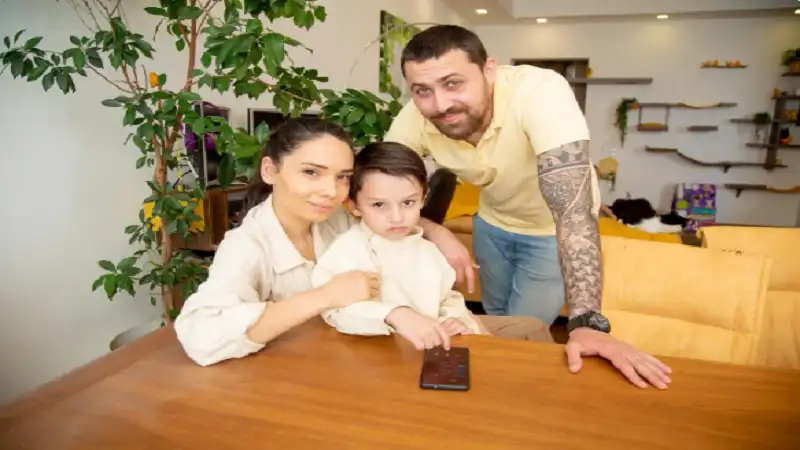
Modern parenting is one of the most rewarding responsibilities in life, but it also comes with many challenges. Modern families often have busy schedules, digital distractions, school responsibilities, and social pressures to manage. Creating a healthy lifestyle at home can help parents build stronger relationships with their children while supporting their emotional, physical, and social development.
Modern parenting does not require perfection. Instead, small and consistent habits can make everyday family life more positive and meaningful.
Create a Healthy Family Routine
Children generally benefit from having a predictable daily routine. Regular times for waking up, meals, homework, play, and bedtime can give children a sense of security and responsibility.
Parents can create a routine that works for their family’s lifestyle rather than following a strict schedule. Even simple habits, such as having breakfast together or preparing school items the night before, can reduce daily stress.
A balanced routine should also include enough time for relaxation. Children need opportunities to play, explore their interests, and enjoy time with family without constantly feeling pressured to achieve.
Make Family Communication a Priority
Open communication is an important part of healthy parenting. Children should feel comfortable talking to their parents about their experiences, concerns, and questions.
Parents can encourage communication by listening carefully instead of immediately judging or interrupting. Asking simple questions about a child’s day can create opportunities for meaningful conversations.
Family meals, walks, or quiet time before bed can provide natural opportunities for parents and children to connect. These everyday moments can become valuable parts of a family’s lifestyle.
Encourage Healthy Digital Habits
Technology is an important part of modern life, but children need guidance when using smartphones, computers, gaming systems, and social media.
Instead of focusing only on restricting screen time, parents can teach children how to use technology responsibly. Establishing device-free times, especially during meals and before bedtime, can help create healthier habits.
Parents should also pay attention to their own technology use. Children often learn by observing adults, so demonstrating balanced digital habits can be more effective than simply setting rules.
Support Physical Activity and Outdoor Time
An active lifestyle can benefit children’s physical health as well as their mood and overall well-being. Families do not need expensive equipment or complicated activities to stay active.
Walking, cycling, playing in a park, gardening, or participating in a family sport can turn physical activity into quality family time. Outdoor activities also give children opportunities to explore their surroundings and develop independence.
The most important factor is finding activities that children genuinely enjoy so that movement becomes a natural part of everyday life.
Teach Responsibility Through Everyday Tasks
Children can gradually develop independence by participating in age-appropriate household responsibilities. Simple tasks such as organizing toys, helping prepare meals, feeding a pet, or keeping their room tidy can teach valuable life skills.
Parents can explain why a task matters rather than treating chores only as obligations. Recognizing effort and improvement can also encourage children to become more responsible.
These habits can prepare children for future responsibilities while helping them understand the importance of contributing to family life.
Make Time for Meaningful Family Experiences
Busy lifestyles can make it easy for families to spend time together without actually connecting. Parents can intentionally create opportunities for shared experiences.
Reading together, cooking a meal, visiting a local park, having a family game night, or simply talking about the day’s experiences can strengthen family relationships. For parents looking for more ideas about family-focused lifestyle topics and everyday experiences, The Stripes Blog can be a useful resource to explore.
Conclusion
Healthy & modern parenting is built through everyday choices rather than complicated rules. A balanced family routine, open communication, responsible technology use, physical activity, age-appropriate responsibilities, and meaningful family time can all contribute to a positive home environment.
Every family is different, so parents should focus on habits that fit their children’s needs and their own lifestyle. By making small improvements consistently, parents can create a supportive environment where children feel valued, confident, and prepared to grow.